Where to next - The Journey ... |
| Above - results from the beginning of my Inquiry
September 2018 - (easTtle - recount post)
SE1 - 1A
KA2 - 1A
HA3- 2A
NO4 - N/A
DR5 - 2P
KA7 - 2A
EA8 - 3B
Interesting looking at these results. This was a challenging recount and I don't think it showed their best writing. Trying to accelerate these students through a range of different activities was a great way to excite the students. Students made improvements through incidental and writing sessions throughout class time but when it came to a 'test' and a given topic students became stuck and were unable to write.
Most of these students spent the first 10 mins looking around the room trying to work out what other students were doing. Ideas didn't flow and the topic challenged them. 'Write on a special time that you spent with family or friends.' If they would given free choice - would this have better results? As Murray Gadd states, "students wrote because they had something to say (which they had decided on) and the text type to be utilized emerged from the topic rather than the other way around.."
|
Saturday, 20 October 2018
Where to next - The Journey After EasTtle
Effective Writing
Effective Teaching and Effective Writing
Throughout my writing inquiry changing things to suit the students has been something I have feel I have continued to develop this year. I have had many interruptions but when I have worked with these students, we had had lots of fun, students have been engaged and keen to learn.
I have reflected and changed my learning expectations and 'learning goals.' After listening to a teacher present her inquiry to the staff, it made us as a staff think about WALT's and what they do to students. How do these words change students opinions about learning? If we change these to 'I wonder ... 'what would happen?
Scaffolding and front loading students learning has made them become the expert. I noticed that students are surrounded by students that always attempting and then there are students that sit on the rim wanting to have a go but aren't quite sure. Having high expectations for these students were very important for them to succeed. In the past maybe students haven't had the chance to hold and communicate with the teacher/ have topics that interest them and develop learning goals that challenge them. Writing has to excite and writing needs a purpose. As Murray Gadd states 'effective teachers select writing topics carefully and strategically so as to engage, motivate and challenge students...."
https://docs.google.com/document/d/1LOElVmPV6hTY_O08U06alw6jIZv7d_LDgDTkOXhG9J4/edit
Sunday, 26 August 2018
What excites students
Having fun with students is the key to getting students engaged in their learning. Finding out what 'sparks' their love of learning and creating learning experiences for these students. Fine motor skills, selecting words and spelling have been areas that have been holding these students back. Getting rid of 'writers block' and as Daly & Miller, 1975 from Motivation to Learn - integrating Theory and Practice page 205 - D. Stipek discusses writing anxiety. That there is anxiety in writing and low expectations for success and writing quality. They have also found the anxiety in writing is higher for boys than girls. We can already see this with my students in my group - a high majority of these students are boys. How can we change this? Through my writing groups students have been working collaboratively, having props to support their ideas (books/ cards/ bookmarks), brainstorming with a buddy. Taking writing out of the class, hiding under the stage, looking at the clouds, blowing bubbles, finding pictures/ books/ videos etc that will excite/ engage students.
Below are a few examples of what I have been working on with my target group.
Reading a book that we have been reading helps students to develop their ideas. Students are able to 'copy' and develop these ideas. Writers supporting writers.


Hiding in the stage was exciting, scary and motivating. Students can up with so many ideas that they developed. Here are a few examples:


Developing sentences from brainstorm of ideas shared at the beginning of the session. Having time with these students to develop their ideas/ being successful has power for young reluctant writers.

Six Sentence Challenges - Sheena Cameron - short narratives making students think about how simple sentences can make a powerful stories - it doesn't need to be pages long!


Sheena Cameron
Warm Ups : great way to motivate students with their writing. Writing examples below:
The dark moon was by the castle. There were tall trees surrounding the castle with beautiful flowers rolling down the windows of building. Next to the castle there was an antique bridge with flowers curling over the handles.
The little boy with a red and blue biny wanted to explore the outer jungle. So he creaked out of his oled he wanted to start a new life.He scrabiled into his backyard
The mudy house had brick walls that had mucky moss on them. It was a log shed with a humongous fire. The clouds covered up the sun, rain started to pour down onto the roof of the house. You could hear the pitter patter of the rain and see the rain emerge through the holes.
Below are a few examples of what I have been working on with my target group.
Reading a book that we have been reading helps students to develop their ideas. Students are able to 'copy' and develop these ideas. Writers supporting writers.


Working Collaboratively:


Hiding in the stage was exciting, scary and motivating. Students can up with so many ideas that they developed. Here are a few examples:
 |
| Darkness under the stage! |


Developing sentences from brainstorm of ideas shared at the beginning of the session. Having time with these students to develop their ideas/ being successful has power for young reluctant writers.
"Teachers who what to enhance learning in the classroom have a variety of motivation systems to engage. ... Extrinsic rewards maximizes alternative systems of motivation..." Chapter 11 Maximizing intrinsic motivation, academic values and learning goals.
Motivation to learning - D. Stipek

Six Sentence Challenges - Sheena Cameron - short narratives making students think about how simple sentences can make a powerful stories - it doesn't need to be pages long!


Sheena Cameron
Warm Ups : great way to motivate students with their writing. Writing examples below:
The dark moon was by the castle. There were tall trees surrounding the castle with beautiful flowers rolling down the windows of building. Next to the castle there was an antique bridge with flowers curling over the handles.
The little boy with a red and blue biny wanted to explore the outer jungle. So he creaked out of his oled he wanted to start a new life.He scrabiled into his backyard
The mudy house had brick walls that had mucky moss on them. It was a log shed with a humongous fire. The clouds covered up the sun, rain started to pour down onto the roof of the house. You could hear the pitter patter of the rain and see the rain emerge through the holes.
The tiny little robot with white and red metal zoomed down the humongous spaceship. While pulling a cotton candy scent around the rusted old staggered robots, he ran because a giant wave of water was occurring. Suddenly his wheels zoomed at 2000 kilometers per second to the escape pod and he leapt into the front door to the escape pod however the pod dropped onto the wrong planet!!!
There was lightning one night there was a robot could mr robot some lightning went bang boom right next to him and BAM BOOM
Trying these ideas were very successful for their structure and deeper features. I did find that these took a while to get off the ground because of everything else that is happening. I have learned that conversations are extremely important to develop idea and not to rush students through their learning. BUT we often do this and I find this myself rushing through a reading lesson to get to a writing lesson and so on - this should be a literacy hour where both are happening at the same time. How does this look and how do you do this in a MLE ? These pieces show what can be achieved when you take your time and have fun with learning. After attending a Sheena Cameron & Louise Dempsey conference, I left thinking that things in my programme need to change and stop and allow students to think, converse and talk...
Trying these ideas were very successful for their structure and deeper features. I did find that these took a while to get off the ground because of everything else that is happening. I have learned that conversations are extremely important to develop idea and not to rush students through their learning. BUT we often do this and I find this myself rushing through a reading lesson to get to a writing lesson and so on - this should be a literacy hour where both are happening at the same time. How does this look and how do you do this in a MLE ? These pieces show what can be achieved when you take your time and have fun with learning. After attending a Sheena Cameron & Louise Dempsey conference, I left thinking that things in my programme need to change and stop and allow students to think, converse and talk...
"Talk can externalise the thinking process involved in being a reader, enabling children to internalise cognitive strategies, and articulate their thoughts, feelings and ideas."
C Warner - Talk for Reading.
'...Students need to learn the skills of reading and writing, they also need to express themselves orally, in a fluent manner. when students have mastered good oral language skills, they become more fluent readers and writers.'
Jill Eggleton - Lighting the Literacy Fire
Sunday, 12 August 2018
Readings to do:
Keep reading: http://leading-learning.blogspot.co.nz/
Find the book: The Passionate Reader.
Keep reading - Successful writing programmes (US study)
Find the book: The Passionate Reader.
Keep reading - Successful writing programmes (US study)
Reading to do:
- Collaborative Inquiry
- The Agile Learner
- Leading change
- The Essentials of Appreciative Inquiry
Learner Agency
Learner agency in a traditional school setting - Tim Gander
http://edtalks.org/#/video/learner-agency-traditional-school-setting
Key ideas discussed:
What does student agency look like for students ?
How can we have student agency in the classroom?
Focusing on student agency and boys within the classroom.
A strong ed talk about boys and student agency.
Boys are keen to learn but often sit at the back. How can we communicate with this students? Sharing their learning with the communities.
Empowering the learner and letting them have their say and engaging that learner voice. Discussion about 'hacking' the curriculum and breaking it down for students to understand. I have done this with the class on many times through writing. Students looking at examples/ brainstorming ideas and discussing ideas with a buddy, group (think, pair, square - see Sheena Cameron Oral Language book) and also with the teacher. Sharing these documents empowers student's voice and ignites their learning and purpose.
Can you op in or op out of student agency? Is this a benefit to the students? Student agency allows students to follow their passions and allows freedom about what learning is.
I can see that through my workshops, this supports their thoughts but some still don't get it and make it even more confusing for themselves. We need to look at what we as teachers are trying to achieve and empowering students to have control through their learning.
I'm going to try and target boys and playing with things that interest them. What do they want to write about? How can I get the best writing through students agency? Boys need to talk about what they are doing through play - could this be Incorporated in my inquiry? Read Jill Eggleton - Lighting The Literacy Fire
http://edtalks.org/#/video/learner-agency-traditional-school-setting
Key ideas discussed:
What does student agency look like for students ?
How can we have student agency in the classroom?
Focusing on student agency and boys within the classroom.
A strong ed talk about boys and student agency.
Boys are keen to learn but often sit at the back. How can we communicate with this students? Sharing their learning with the communities.
Empowering the learner and letting them have their say and engaging that learner voice. Discussion about 'hacking' the curriculum and breaking it down for students to understand. I have done this with the class on many times through writing. Students looking at examples/ brainstorming ideas and discussing ideas with a buddy, group (think, pair, square - see Sheena Cameron Oral Language book) and also with the teacher. Sharing these documents empowers student's voice and ignites their learning and purpose.
Can you op in or op out of student agency? Is this a benefit to the students? Student agency allows students to follow their passions and allows freedom about what learning is.
I can see that through my workshops, this supports their thoughts but some still don't get it and make it even more confusing for themselves. We need to look at what we as teachers are trying to achieve and empowering students to have control through their learning.
I'm going to try and target boys and playing with things that interest them. What do they want to write about? How can I get the best writing through students agency? Boys need to talk about what they are doing through play - could this be Incorporated in my inquiry? Read Jill Eggleton - Lighting The Literacy Fire
Successful Writing Programmes
Successful Writing Programmes and the ways teachers use assessment information and data to enhance student writing - L.M Campbell
Discusses how writing is a complex process and skills in writing are built up in time. Writing needs to be modeled by teachers, peers and other examples of writing (bks that they enjoy)
Campbell discusses what makes a successful writing programme and how this is different for different people. What are the writing strategies, what are the traits of writing, what is a writing workshop (what this looks like), what is the process of writing.
Through this article I can see how and why I need to make changes - but it also might be an idea to look at writing in different settings/ schools. I will keep reading this and share with my team to discuss further.
Discusses how writing is a complex process and skills in writing are built up in time. Writing needs to be modeled by teachers, peers and other examples of writing (bks that they enjoy)
Campbell discusses what makes a successful writing programme and how this is different for different people. What are the writing strategies, what are the traits of writing, what is a writing workshop (what this looks like), what is the process of writing.
Through this article I can see how and why I need to make changes - but it also might be an idea to look at writing in different settings/ schools. I will keep reading this and share with my team to discuss further.
How to Stop Killing the Love of Reading
How to Stop Killing the Love of Reading - Pernille Ripp
https://www.cultofpedagogy.com/stop-killing-reading/
What are we doing to our students through reading, that is 'killing' that love of reading?
Do we need quizzes, follow up, sheets to show a love of reading? Are we allowing students to love reading -how are we doing this? Allowing students to read for enjoyment - book shopping through daily Five/ Library time. An interesting read that makes you think about your reading programme and what we are promoting/ enhancing and losing!
A little off topic for my inquiry but a food for thought as to what reading looks like in the classroom and how we can change our practices because we need to allow students to read for enjoyment.
https://www.cultofpedagogy.com/stop-killing-reading/
What are we doing to our students through reading, that is 'killing' that love of reading?
Do we need quizzes, follow up, sheets to show a love of reading? Are we allowing students to love reading -how are we doing this? Allowing students to read for enjoyment - book shopping through daily Five/ Library time. An interesting read that makes you think about your reading programme and what we are promoting/ enhancing and losing!
A little off topic for my inquiry but a food for thought as to what reading looks like in the classroom and how we can change our practices because we need to allow students to read for enjoyment.
My Teacher Inquiry Question with Oneroa Community of Learning
Inquiry Question
Topic: What creates an environment where students become more active learners in writing?
Shifting student's growth mindset of literacy through student agency and play.
Through student agency and the development of a growth mindset,
students will be authentically engaged in literacy. How can we foster play in our
learning environments so students are intrinsically motivated and develop a growth
mindset? How can we transfer the skills and knowledge taught during intervention classes
back into the class and use this across the curriculum to accelerate students literacy skills.
Hunch
I think that there is a disconnection between what they have explored
through literacy intervention groups and knowledge and skills that are
taught back in the classroom. What knowledge and skills are obtained through these
programmes that will intrinsically motivate them. in building solid foundation for literacy
and learning back in the classroom. While teaching ALL, looking at data, discussing
literacy with students, what deliberate acts of teaching will integrate all our programmes
back in the classroom.
Questions:
How will I develop a student's growth mindset within literacy?
What rich, meaningful tasks and DAT will inspire and engage our targeted priority learners?
How will, what I have already learned through other programmes improve learning in literacy for all students?
If programmes are integrated into class, won't these take away student agency?
Changing my inquiry :
Through listening and working with Brian Annan I have changed my inquiry question:
I have changed this through discussion with other teachers as I'm really focusing on student agency and the love of writing. My hunch and questions are still the same.
Brian's notes : https://docs.google.com/document/d/1Seosq9HZ0s5nu4HYHEiKpE_7dijx1KvSk15gSogdt7c/edit
This changed my thoughts about my inquiry: If you can clearly talk about your inquiry question- chances are it is clear cut! Sort out thinking at the start is an important part of the inquiry. This can help stay focused on the question.
Where did this inquiry start?
Raise students achievement in reading, writing and mathematics with a particular emphasis on Maori, Girls, End of year 6 - year 7, ESOL learners, Year 9-10 students
What is the current situation of my inquiry?
What is happening with me? What is my passion? How does this link to my classroom practice and what has been happening within my classroom/ school and community. How does this link with our achievement challenges and school strategic plan. What drivers are relevant?
After reading about the key points from the writing data analysis, it states that a greater percentage of girls achieve high than boys in writing. Writing is the weakest of the three areas across all schools.
Within my class and across my team I can see that : In 2017 - Year 3 students 12% of students were below in writing (National Standards) In 2017 - Year 3 students 18% of students were below in reading (National Standards) 15 boys are below in writing / 4 girls are below in writing
Why literacy?
Literacy is a passion for me. I have worked at a range of levels from year 0 to year 6. I have been part of Accelerated Literacy Learning (ALL) and have seen a change in students perspective of writing and the link between reading and writing. What happens to learning experiences at the higher levels?
How can we foster play in our learning environments so students are intrinsically
motivated and develop a growth mindset?
How can we transfer the skills and knowledge taught during intervention classes back
into the class and use this across the curriculum to accelerate students literacy skills.
After reading about the key points from the writing data analysis, it states that a greater percentage of girls achieve high than boys in writing. Writing is the weakest of the three areas across all schools.
Within my class and across my team I can see that : In 2017 - Year 3 students 12% of students were below in writing (National Standards) In 2017 - Year 3 students 18% of students were below in reading (National Standards) 15 boys are below in writing / 4 girls are below in writing
Why literacy?
Literacy is a passion for me. I have worked at a range of levels from year 0 to year 6. I have been part of Accelerated Literacy Learning (ALL) and have seen a change in students perspective of writing and the link between reading and writing. What happens to learning experiences at the higher levels?
How can we foster play in our learning environments so students are intrinsically
motivated and develop a growth mindset?
How can we transfer the skills and knowledge taught during intervention classes back
into the class and use this across the curriculum to accelerate students literacy skills.
School Strategic Plan
Looking across the school we have engaged in a variety of programmes to motivate our
students
- Flexible learning programmes
- Play based learning for year 1
- STEAM
- Targeted learning practices
At Torbay School we offer a range of excellent resources and high quality targeted
programmes and develop teacher's professional development in these areas. The school is
well resources and has resources/ PD/ reading to assist teachers in the learning of our
students.
".... how a teacher chooses to engage with a child, how the teacher
chooses to see and hear them.... makes all the difference to that child.
It can define how they see themselves as a learner and ultimately as
a successful human being. Tread carefully with kindness." Leslee Allen
Reading - "Transforming Global Education with new Metrics" by Global Education Leaders' partnership
- Workplaces don't care about qualifications - they care about the person standing in front of them - not their marks on the paper
- Sense of self their passions - ability and where they can
Stu Duval
Workshop with Stu Duval
"Looking for the sparrow, if you look you will find the ideas - you won't be able to find the flamingo!"
Stu discussed how teachers always try and 'hook' the reader in when teaching students how to write. When we go fishing you don't just need to hook! You need the bait.
Don't start with the weather - you need to bait the reader in! Bait my hook. Use A.R.M to bait your audience.
A - Action (character name and action)
R - Reaction
M - More action
What makes a good writer: What does your character want/ why do they want it? Where can they go? Your character needs to have a journey.
Examples shared:
Action:
Jan woke up, her bedroom door creaked open. A shadowy figure walked in.
Reaction:
Jane screamed at the top of her lungs. She jumped of the window in her bare feet as she started to run down the loose gravel road.
More Action:
She ran towards the dark woods at the edge of town. She saw headlights coming towards her.
Who/what will stop them 0- what obstacles will stop them? The character will get what they want.
Boys need to promise that they will not kill their main character. Something needs to hurt your main character - its their way of getting what they want.
Start at the end of these story if you are struggling with endings . Stu suggested getting books from the library showing students endings/ beginning etc for motivation.
Character:
"Looking for the sparrow, if you look you will find the ideas - you won't be able to find the flamingo!"
Stu discussed how teachers always try and 'hook' the reader in when teaching students how to write. When we go fishing you don't just need to hook! You need the bait.
Don't start with the weather - you need to bait the reader in! Bait my hook. Use A.R.M to bait your audience.
A - Action (character name and action)
R - Reaction
M - More action
What makes a good writer: What does your character want/ why do they want it? Where can they go? Your character needs to have a journey.
Examples shared:
Action:
Jan woke up, her bedroom door creaked open. A shadowy figure walked in.
Reaction:
Jane screamed at the top of her lungs. She jumped of the window in her bare feet as she started to run down the loose gravel road.
More Action:
She ran towards the dark woods at the edge of town. She saw headlights coming towards her.
Who/what will stop them 0- what obstacles will stop them? The character will get what they want.
Boys need to promise that they will not kill their main character. Something needs to hurt your main character - its their way of getting what they want.
Start at the end of these story if you are struggling with endings . Stu suggested getting books from the library showing students endings/ beginning etc for motivation.
Character:
- What do they dream about?
- Who are their family - how do they fit in the family
- Maths - friends / best friends
- fears - what are they frightened of?
Thursday, 9 August 2018
Developing Ideas
Developing Ideas with my Students
Using Stu Duval's motivational activities from the Teacher's Only day at the Kahui Ako, I have started developing the A.R.M technique and using the idea of developing characters in a interactive, fun and engaging way. Visiting Corbans Art Centre was a great motivation that started students thinking about characters etc. Using Stu Duval's character techniques got students thinking about fears/ likes etc. I used 'Night Museum' to support our ideas, students found this exciting. Students used these ideas to create a collaborative piece of writing. Having students work together allows them to support others with ideas that others may struggle with. Students that find the writing difficult another child can write for that students OR the student that can't write because a mistakes stops them, can have others supporting. Each collaborator has a different area of expertise to contribute. As Lunsford, Andrea. “Collaboration, Control, and the Idea of a Writing Center" discusses that writing the document together ensures that it doesn't adopt one person's voice and how it can benefit the whole group without putting too much strain on any one person
Students have really enjoyed using The Literacy Shed as a motivation for their writing. As discussed in John Hattie's reading that we are consistently adapting teacher approaches to improve students learning. As teachers we are always making connections between their prior knowledge and their experiences.


 |
| Making their characters for their narrative at the Corbans Art Centre |
 |
| Creating characters for their writing |
 |
| Another character |
 |
| Brainstorming main characters - using Stu Duval and Sheena Cameron Writing ideas |
 |
| Developing ideas |
Tuesday, 7 August 2018
Effective Teaching - PD according to Students
Talking and listening to a range of Year 9-10 and Year 12-13 and effective teaching according to students, it was interesting to listen to what they thought was important to learning and teaching. I'm always trying to make my classroom the three E's - Entertaining/ engaging and exciting! Linda and I are looking forward to doing this with the teachers and students at Torbay School.

- Effective/ fun in learning-not a chore-like to be engaged-
- Great memories to go with the learning - rather than writing everything down.
- TEACHERS - understanding different learning needs/ styles of learning to help them effectively.
- Peers/ family - help from a variety of people they help build life skills - face to face learning
- Making learning Entertaining/ Engaging/ Exciting - example - using XBox for a literacy session and then writing about it etc.
- Discovering new ways to learning - make the student comfortable to learn. Not making learning terrifying. The ways teachers are helping students are targeting all students to reach their goal.
- Impact of technology? Learning from outside sources eg youtube
- Learning environment / social media - ‘cooler’ kids disrespect learning
- Face to face communication- changes in the home-phones etc
- Admired qualities-inclusiveness but can backfire as “smarter” kids sometimes left out and result in “not getting it”.
- Introvert/extrovert- good teacher draws everyone in
Disliked Qualities
- Frightened teachers hide behind desks with worksheets-interesting
- Thick accents can distract
- Negative input- eg you are not going to pass
- Telling students that they can’t - students loose engagement/ the older you, the more critical you are.
- Continuing a topic/ lesson for too long - boring!
Slide about What makes a Great Teacher/ Teacher Effectiveness - here
Effective teaching according to students:(Year 12/13)
- Environment- social
- Set themselves up for the future - looking at where they will head into their passion area for the future - tertiary education. Just focusing on the aspect that will help them and not the other areas of their learning
- Interactive teacher-talk with not to
- supportive
- Impact on the person - guiding students - role models/ citizenship/ views on life/ character building - learning to learn
- The person that cares for your learning - is the person that can adapt their teaching to suit the need of the students.
- Teachers set the mood for that class - making the lessons memorable/ like them - fun and engaging that you want to listen
- Knowing students personalities - respect for that students. Understanding the culture of the students.
- ‘Sugar coat’ education at primary/ intermediate. Students need to also take responsibility for their own education. Learning that it’s important that students understand that they are incharge of their learning - teaching = learning - learning to learn. Learning from your mistakes…. But if you keep making mistakes that’s STUPID! (students putting the effort in) reciprocal relationship builds success
- New ideas/alternate perspectives to expand brain/thinking- almost outside the square but challenges thinking to build own perspective- critical thinking skill development
- Make deliberate connections within learning to make it more meaningful/memorable
- Inspire rather than teach- not content deliverers
- Teachers need to be interested in what they are teaching - interested and engaged - in order to engage students.They need to share ”wonderment and awe” also
- Giving choices helps motivate- even if they might be selected to a point eg novel study- choice really helps in engaging in your own learning

Teacher Effectiveness
After reading 'Teacher Effectiveness' article - thinking about : Providing sufficient opportunities to learn - challenging me to think about 'how do I plan for multiple opportunities for all students to engage with, practise and transfer new learning. How do I encourage students to take ownership and managing their own learning?
Thursday, 12 July 2018
Berger “stages of mind”
Berger “stages of mind”
Berger “stages of mind” hierarchy (2015) provides a context for evaluating our professional development:
The ‘sovereign mind’ - "it's all about me and what I need"
The ‘socialized mind’ - "tell me what to do, and I will do my best to do it"
The ‘self-authored mind’ - "I'll listen to all points of view, I will then form my own opinion and decide on what actions I would like to take, based on my own platform of beliefs that are true to me and then discuss this with others and co-construct"
The ‘sovereign mind’ - "it's all about me and what I need"
The ‘socialized mind’ - "tell me what to do, and I will do my best to do it"
The ‘self-authored mind’ - "I'll listen to all points of view, I will then form my own opinion and decide on what actions I would like to take, based on my own platform of beliefs that are true to me and then discuss this with others and co-construct"
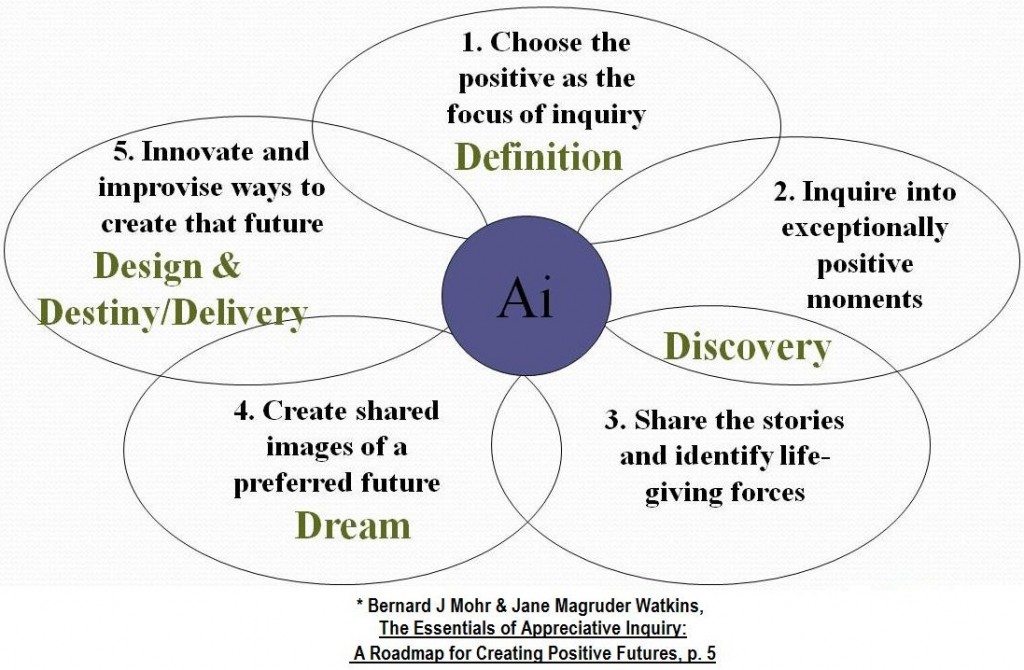
What does this tell me/ what can I change?
I attempted this through our inquiry this term - looking at areas that engage my writers. Through this I found myself thinking - how can they present with limited writing abilities - what ways can they 'discover and Dream' to share and design for the class.
Powerful getting students to creating their own form of presentation and the feedback/ buy in was huge for their growth. It did show that when students are passionate with their learning they are engaged. 'Proficient language skills are not acquired if they aren't used.' Lighting the Literacy Fire - Jill Eggleton
Wednesday, 13 June 2018
Sheena Cameron
Keywords
Sheena Cameron - Last person standing. A great warm up that I have used before. Students needed to stand and think of a word relating to our topic. Some really interesting words relating to our school/ values/ equipment. Need more work on technical words/ vocabulary. These words were also added to their writing books.
Oral language is the key to literacy and developing ideas 'the heart of writing.' See here for more information (UK based research though) - https://educationendowmentfoundation.org.uk/tools/guidance-reports/literacy-ks-one/#recommendation-1
Different ways to look at keywords - http://hotandthinkertools.wikispaces.com/Keywords
Students then used these keywords to explain 'random' objects. Great watching the students working collaboratively with this. More work needs to be done to support students with vocabulary though - how does this look in the class - what skills/ strategies do I still need to work on - I need to think of interesting/ exciting ways of doing this now.


A session needs to be added into next weeks plan. The challenge I'm facing at the moment is trying to fit all these skills in within my classroom programme - what skills are important? If I am to do things differently - should I be focusing on deeper features and how much time does need to be spend doing this - instead of having fun - 'instilling the love of literacy.'
Effective Use of the Gradual Release of Responsibility Model - D. Fisher
Discusses the evidence of effective instructions and how they can develop their 'expertise' in all aspects of reading and writing - including oral language. Reading about 'vertical alignment' - here is where there is an alignment with the process and outcome that provides students with a coherent sequence. Making sure their is a relationship between the reading and writing for students to extend their vocabulary and giving these students extra attention to develop these skills.
What Doesn't Work: Literacy Practices We Should Abandon - N.Duke
We know that finding a word in the dictionary doesn't build vocabulary - we are not working with them to develop vocabulary if this is what we are doing. Students need to be exposed to what this language looks like/ how it is used and making fun with the words in interesting engaging ways.
Sheena Cameron - Last person standing. A great warm up that I have used before. Students needed to stand and think of a word relating to our topic. Some really interesting words relating to our school/ values/ equipment. Need more work on technical words/ vocabulary. These words were also added to their writing books.
Oral language is the key to literacy and developing ideas 'the heart of writing.' See here for more information (UK based research though) - https://educationendowmentfoundation.org.uk/tools/guidance-reports/literacy-ks-one/#recommendation-1
Different ways to look at keywords - http://hotandthinkertools.wikispaces.com/Keywords
Students then used these keywords to explain 'random' objects. Great watching the students working collaboratively with this. More work needs to be done to support students with vocabulary though - how does this look in the class - what skills/ strategies do I still need to work on - I need to think of interesting/ exciting ways of doing this now.


A session needs to be added into next weeks plan. The challenge I'm facing at the moment is trying to fit all these skills in within my classroom programme - what skills are important? If I am to do things differently - should I be focusing on deeper features and how much time does need to be spend doing this - instead of having fun - 'instilling the love of literacy.'
Effective Use of the Gradual Release of Responsibility Model - D. Fisher
Discusses the evidence of effective instructions and how they can develop their 'expertise' in all aspects of reading and writing - including oral language. Reading about 'vertical alignment' - here is where there is an alignment with the process and outcome that provides students with a coherent sequence. Making sure their is a relationship between the reading and writing for students to extend their vocabulary and giving these students extra attention to develop these skills.
What Doesn't Work: Literacy Practices We Should Abandon - N.Duke
We know that finding a word in the dictionary doesn't build vocabulary - we are not working with them to develop vocabulary if this is what we are doing. Students need to be exposed to what this language looks like/ how it is used and making fun with the words in interesting engaging ways.
Subscribe to:
Comments (Atom)
Where to next - The Journey After EasTtle
Where to next - The Journey ... Above - results from the beginning of my Inquiry September 2018 - (easTtle - recount post) SE1 -...

-
Berger “stages of mind” Berger “stages of mind” hierarchy (2015) provides a context for evaluating our professional development: The ‘...
-
 Having fun with students is the key to getting students engaged in their learning. Finding out what 'sparks' their love of learning ...
 -
Workshop with Stu Duval "Looking for the sparrow, if you look you will find the ideas - you won't be able to find the flamingo!...

